
Northeast Ohio Housing Market Update: August 2026Summit County, Portage County and Cuyahoga County Homes Sales. What is happening in the Northeast Ohio real estate market as we move into fall

Dated: April 27 2025
Views: 161
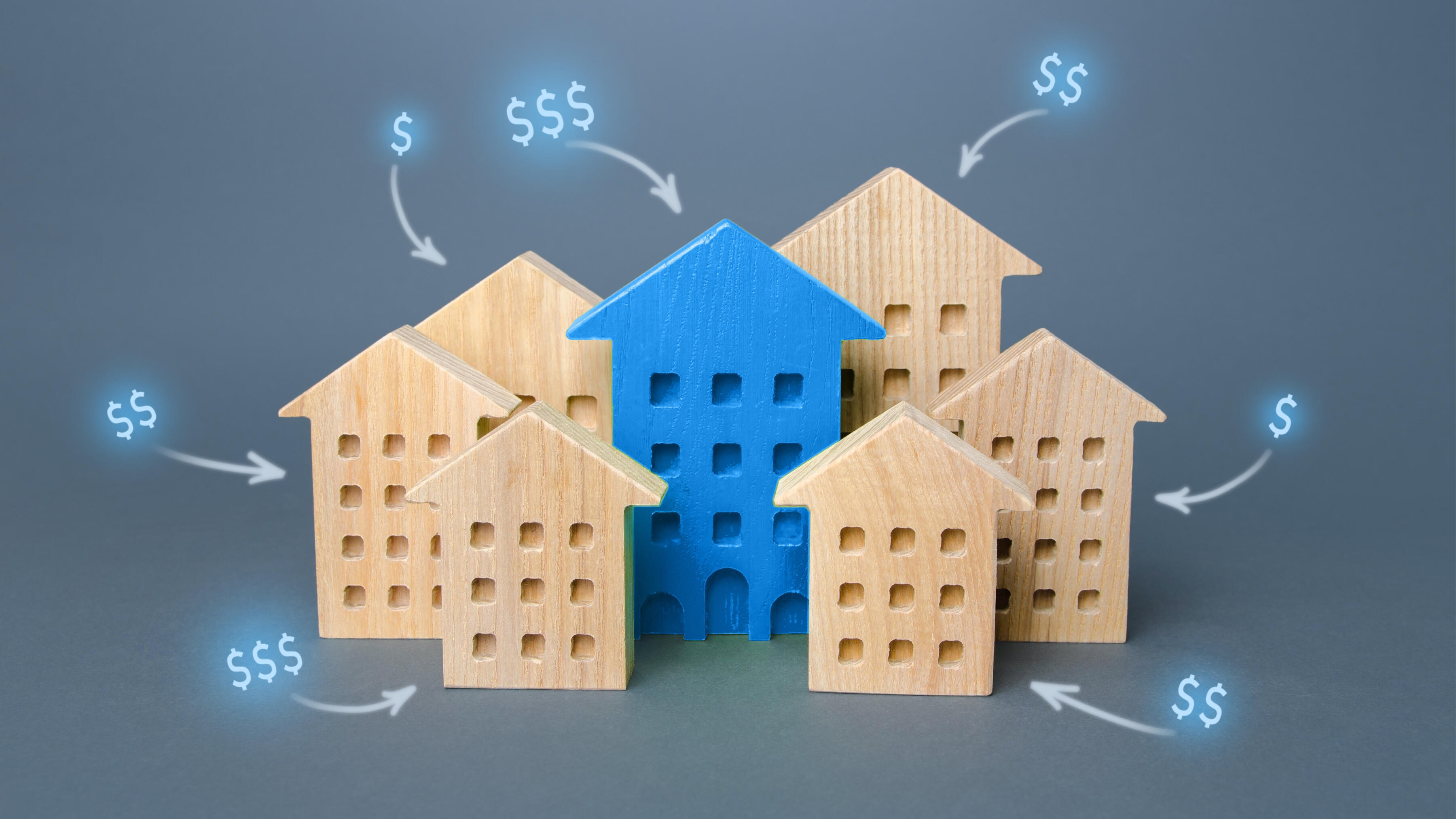
How much is my home worth?
That’s the question all homeowners ask when they’re preparing to sell a home. Housing markets are notoriously fickle, meaning the price you think you’ll get may come down to the opinion of one or two experts who use the latest housing sales data to determine a home’s market value. However, there’s market value and then there’s appraised value, which also uses much of the same data, but the two don’t always reach the same number. With different ways to determine the value of a home, you want to be certain that the asking price you chose for your home based on fair market values will be supported by its appraised value.
Market value
Fair market value is the price that a property would sell for on the open market. To determine an asking price for their home, a seller looks at comparable sales in the area, typically provided by a real estate professional. Your Berkshire Hathaway HomeServices network professional, acting as your listing agent, will prepare a comparative market analysis (CMA), a computer-generated report that shows you what homes similar to yours are selling for in your area.
CMAs are one of the most important services that a multiple listing service (MLS) provides to its members which include real estate brokers, appraisers, and property tax authorities, among others. The MLS collects housing data from tax rolls, new and current listings, homes that sold, and expired listings where the seller did not get the price they wanted for their home. Included in the report are:
· The subject property address (your home) Addresses of at least three other similar homes for sale and that have recently sold
· Property descriptions including the year built, square footage, the number of bedrooms, bathrooms, room descriptions, special features, number of stories or split levels, etc.
· Property tax assessments for comparables
· Adjusted Values for features the subject home does not have and features the subject home has but the comparables do not.
Accuracy is crucial, and it takes an experienced real estate professional to choose the right comparables. Homes that have sold, despite being similar, may have widely different sales prices such as a distressed sale, seller credits to the homebuyer, or an all-cash transaction. Your listing agent will narrow the homes down to three or four comparables of sold homes with the most recent closings, homes with sales prices that are closer together, homes most similar to yours in size and features, and homes located closest to yours.
Housing market conditions are ever-changing, so you should consider a CMA as a temporary guide to recent listings and sales so you can set a sales price for your home. It doesn’t matter what your neighbor got for their home a year ago or even six months ago. You also can’t assume that your home is worth the same as the highest priced home in the CMA. There could be subjective differences such as better views, quieter streets, or recent improvements that aren’t revealed in the CMA. On the other hand, your home could be in much better condition or be more visually appealing than the lowest priced home. This is where your listing agent’s experience with your area is invaluable. They may have been inside some or all of the other homes featured in the CMA and can tell you how your home compares.
Once you’ve chosen a listing price and your listing is entered into the MLS database, you should see interest in your home right away. Homebuyers will come with their agents to view your home and hopefully, one will make a purchase offer. If the homebuyer is getting a mortgage, the lender will ask the buyer to pay for an appraisal. If the appraisal is higher than the buyer’s offer, then they’re getting a great deal. If it’s lower, then the buyer has several options: ask you to lower the price to meet the appraisal, pay a larger down payment, or walk away using the appraisal contingency in the purchase contract.
Appraisal value
Appraisers have been under fire since the Great Recession. Newer regulations require that they are independent of the lender and have no affiliation with the listing agent. Recently, an appraiser was sued for undervaluing the home of a black couple. When the homeowners “whitewashed” their home by replacing family photos with a white family, they were shocked to find the next appraisal they ordered came back with a substantially higher valuation. The case has been settled, but it’s a cautionary tale for the appraisal industry.
Usually basic educational requirements begin with 30 hours of college courses, 150 hours of appraisal-related courses, and 1,000 hours of experience to become an independent licensed residential appraiser. The most expert is the certified general appraiser, which requires a bachelor’s degree, 300 hundred hours of appraisal coursework, and 3,000 hours of experience. Appraisers are licensed by the state and must take an exam to meet licensing or certification qualifications.
Appraisers can be hired by homesellers, but more typically they’re hired by the homebuyer’s lender soon after the seller accepts the buyer’s offer in contract form. The appraiser researches the seller’s property and orders comparables, similar to those obtained by your listing agent. They may not be exactly the same, as a nearby home may have sold between the time your listing agent showed you a CMA and the time when the appraiser shows up to view and tour the seller’s home.
Appraisers use only lender- and underwriter-approved forms to help create the appraisal report. These depend on whether the buyer’s loan is conventional and meets Fannie Mae or Freddie Mac requirements or the requirements for a U.S. government guaranteed loan (FHA, USDA, VA). The appraiser tours the home and takes photographs to document the condition of the home. Once the report is complete, it’s turned over to the lender and a copy is provided to the homebuyer.
Appraisals are designed to protect banks from overlending, homebuyers from overborrowing, and home sellers from overpricing their homes. Because appraisals are typically the first contingency in any offer, the home’s sales price must meet the appraisal’s value. For the contract to continue, both buyer and seller must agree to the terms. A second appraisal is rarely ordered by a lender before closing unless there’s a problem of some kind.
IF YOU ARE CURIOUS WHAT YOUR HOME IS WORTH - PLEASE CONTACT ANDREA LEEK, REALTOR- 330-322-8296 OR Schedule Virtual or In Person Meeting

Andrea Leek, REALTOR® is a top-producing Real Estate Agent proudly serving Twinsburg, Hudson, Aurora, Kent, and surrounding communities throughout Summit, Cuyahoga, Portage, and Geauga Counties. A....
Northeast Ohio Housing Market Update: August 2026Summit County, Portage County and Cuyahoga County Homes Sales. What is happening in the Northeast Ohio real estate market as we move into fall
August 2026 Northeast Ohio Real Estate Market UpdateTwinsburg, Aurora, Hudson, Streetsboro and Kent Ohio Housing MarketIf you are thinking about buying or selling a home in Northeast Ohio,
$2.1 Million in August 2026 Real Estate Sales | Andrea Leek RealtorWhat a way to wrap up August!I am excited to share that August 2026 brought $2.1 million in real estate sales. Woo Woo! This
Twinsburg Ohio Neighborhoods: A Complete Guide to Neighborhoods and SubdivisionsIf you are searching for Twinsburg Ohio neighborhoods, you have probably discovered that there are many different
 © MLS Now, INC - Northern Ohio Regional Multiple Listing Service All information deemed reliable but not guaranteed. All properties are subject to prior sale, change or withdrawal. Neither listing broker(s) or information provider(s) shall be responsible for any typographical errors, misinformation, misprints and shall be held totally harmless. Listing(s) information is provided for consumer's personal, non-commercial use and may not be used for any purpose other than to identify prospective
properties consumers may be interested in purchasing. The data relating to real estate for sale on this website comes in part from the Internet Data Exchange program of the Multiple Listing Service. Real estate listings held by brokerage firms other than Portage County Regional may be marked with the Internet Data Exchange logo and detailed information about those properties will include the name of the listing broker(s) when required by the MLS. Copyright ©2026 All rights reserved.
Last Updated: September 26, 2026 12:16 PM UTC
Show More...
© MLS Now, INC - Northern Ohio Regional Multiple Listing Service All information deemed reliable but not guaranteed. All properties are subject to prior sale, change or withdrawal. Neither listing broker(s) or information provider(s) shall be responsible for any typographical errors, misinformation, misprints and shall be held totally harmless. Listing(s) information is provided for consumer's personal, non-commercial use and may not be used for any purpose other than to identify prospective
properties consumers may be interested in purchasing. The data relating to real estate for sale on this website comes in part from the Internet Data Exchange program of the Multiple Listing Service. Real estate listings held by brokerage firms other than Portage County Regional may be marked with the Internet Data Exchange logo and detailed information about those properties will include the name of the listing broker(s) when required by the MLS. Copyright ©2026 All rights reserved.
Last Updated: September 26, 2026 12:16 PM UTC
Show More...
